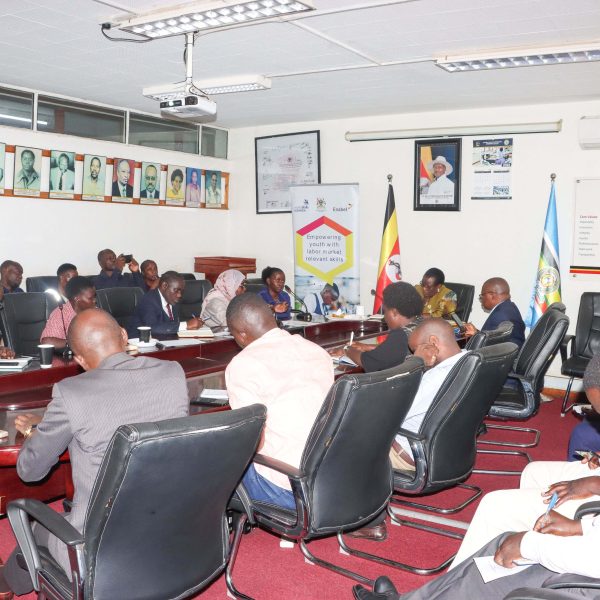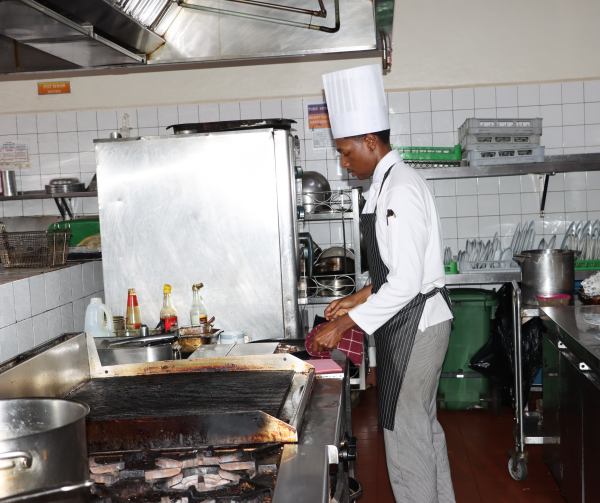

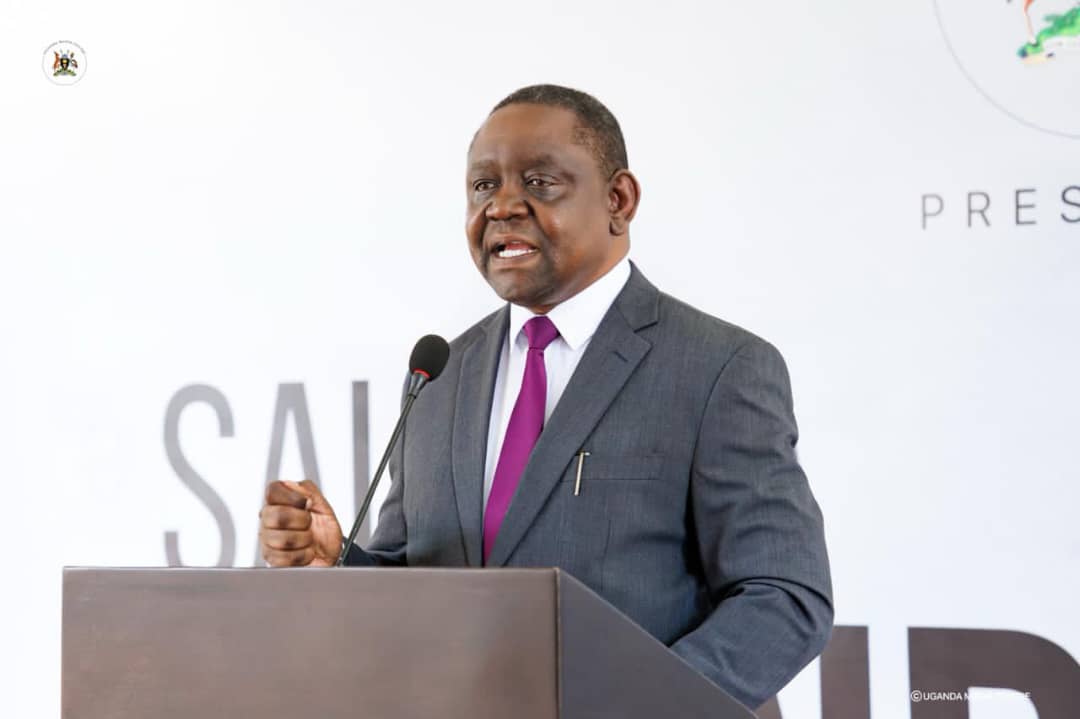
Uganda has launched a TVET Qualifications Framework that for the first time allows skilled workers such as carpenters, mechanics, food processors, builders, plumbers, among others who trained through apprenticeship or years of practice to have their competences formally assessed and certified.
Moses Kasakya, the Executive Director of the Technical and Vocational Education and Training (TVET) Council said the framework closes the gap that has left many skilled Ugandans without a way to prove what they can do.
“The question still lingers: How do we tell that they have a competence, and that mechanism has been missing,” Kasakya said, referring to people who acquired their skills through non-formal routes in construction, repairs, road maintenance, agriculture, business, tourism among other sectors.
Under the framework, such workers can present themselves for assessment on the strength of their experience. Kasakya said that they will sit the same test as learners who trained in classrooms. “When you come and say I have been working here and I have this experience, or I have acquired this skill through apprenticeship, we then subject you to an assessment. The same assessment that people who have gone through the classroom setup actually undertake,” he said.
He described the recognition of prior learning as the most significant element of the framework. “It is a game changer in the skilling landscape of Uganda,” he said, adding that a learner no longer needs to depend on the classroom alone. “You don’t have to be in the classroom alone to progress your career.”
Kasakya said the lack of recognition has cost people jobs. “Because they cannot demonstrate their capabilities,” he said of skilled Ugandans who have been turned away by employers.
A person holding a national technician diploma will now have to prove specific practical abilities to earn it, which makes the qualification mean the same thing to every employer.
The framework also sets out the TVET progression for the first time. A learner who completes primary seven and opts for the technical route becomes a craftsman or artisan can advance to a national diploma, a degree, a master’s and eventually a PhD.
Kasakya said the structure had been missing, and that it was meant to help families plan ahead. “So parents and learners and trainers can be able to tell how a child who has finished P7, for example, will progress all the way through,” he said.
Training providers will also face tighter rules on what they teach. Kasakya said qualifications are linked to occupational standards developed with industry input, through sector skills expert committees drawn from the sectors the government is prioritising.
These committees advise the council on the competences employers need. “You don’t just wake up and start to train what you feel you want to train,” he said, noting that institutions must demonstrate that their training is backed by those who will require the skills.
Kasakya said that this will also help prospective students make informed choices. “So by the time somebody puts in their money; they actually understand what they are likely to to get,” he said.
The framework is also designed to align Uganda’s qualifications with those of East Africa, the wider continent and international frameworks.
“We want to make a Ugandan learner or Ugandan competence or Ugandan skill competitive not only from within Uganda but also from outside the country,” Kasakya said.