
Uganda’s participation in the WorldSkills Shanghai 2026 competition provided an opportunity for the country to benchmark its technical and vocational education and training (TVET) system against international standards, with lessons expected to inform training of young people for employment and entrepreneurship.
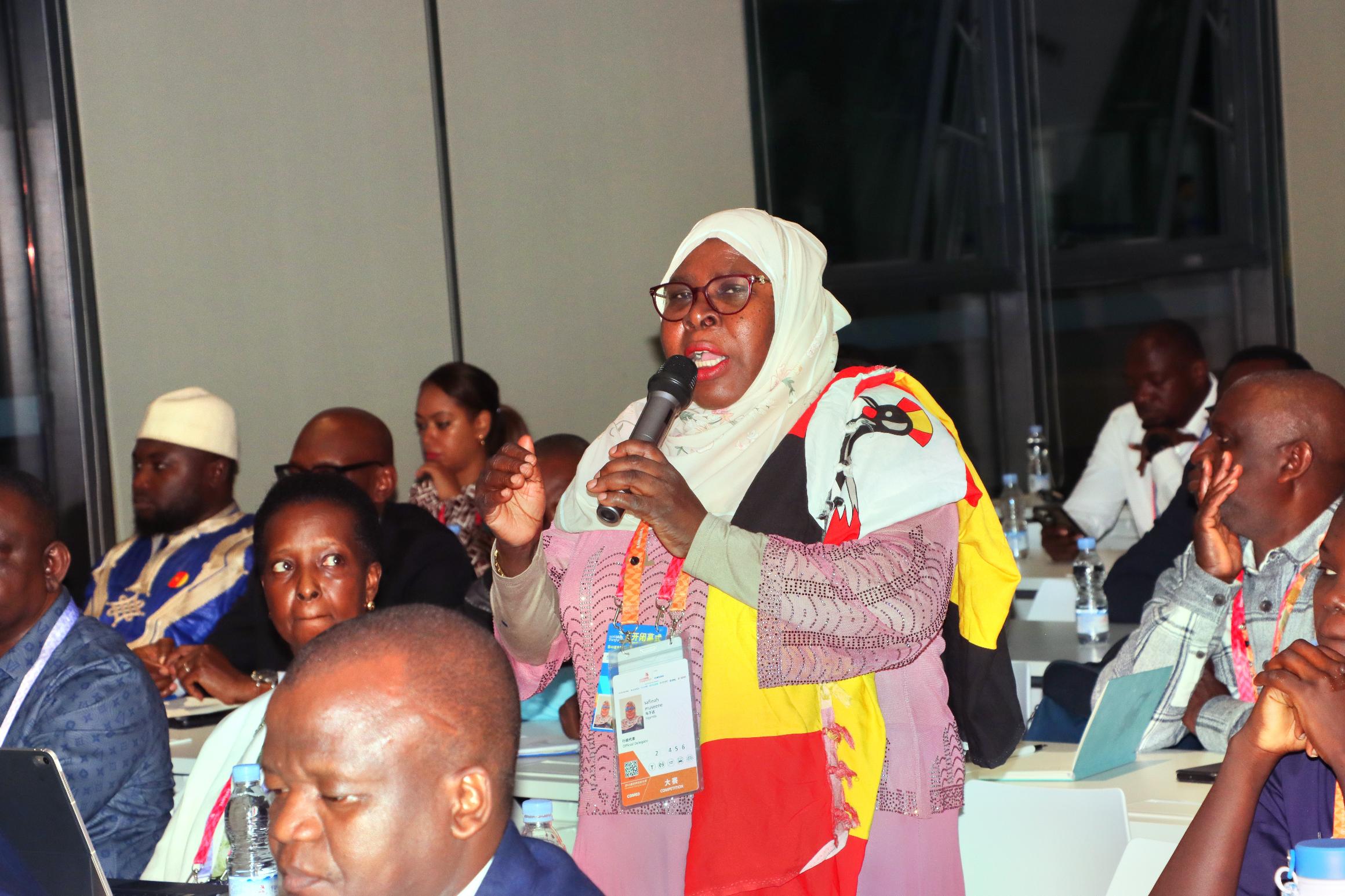
Dr Safinah Kisu Musene, the Commissioner for Health Education and Training in the Ministry of Education and Sports, said the international competition exposed Uganda to established approaches to skills development that will help improve training at home.
“Uganda’s participation in the WorldSkills Shanghai 2026 provides an opportunity to benchmark the country’s technical and vocational education and training against international standards,” Musene said.
“This exposure is central to helping Uganda prepare its young population for employment and support the country’s ambition of becoming a modern economy by 2040.”
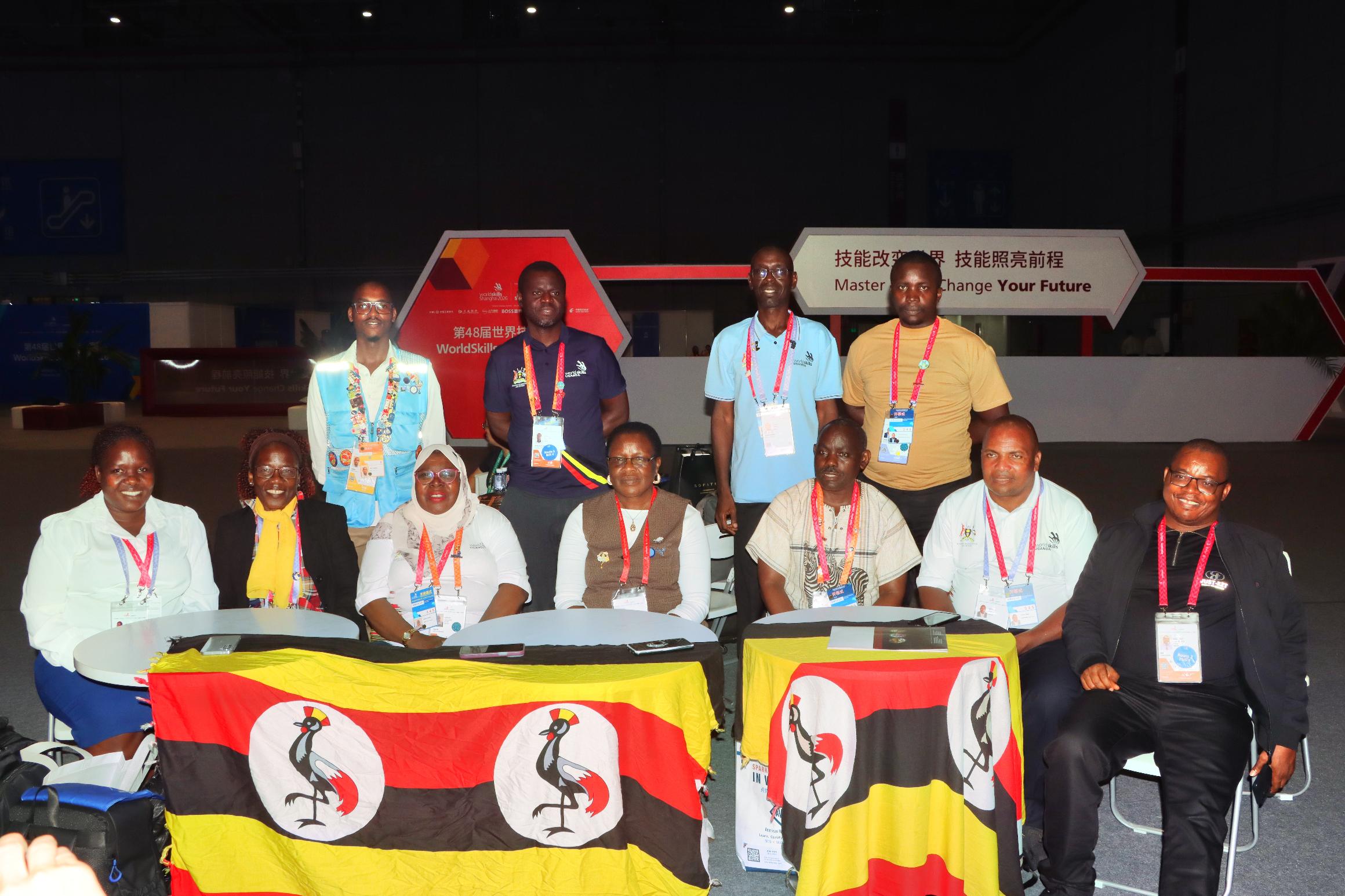
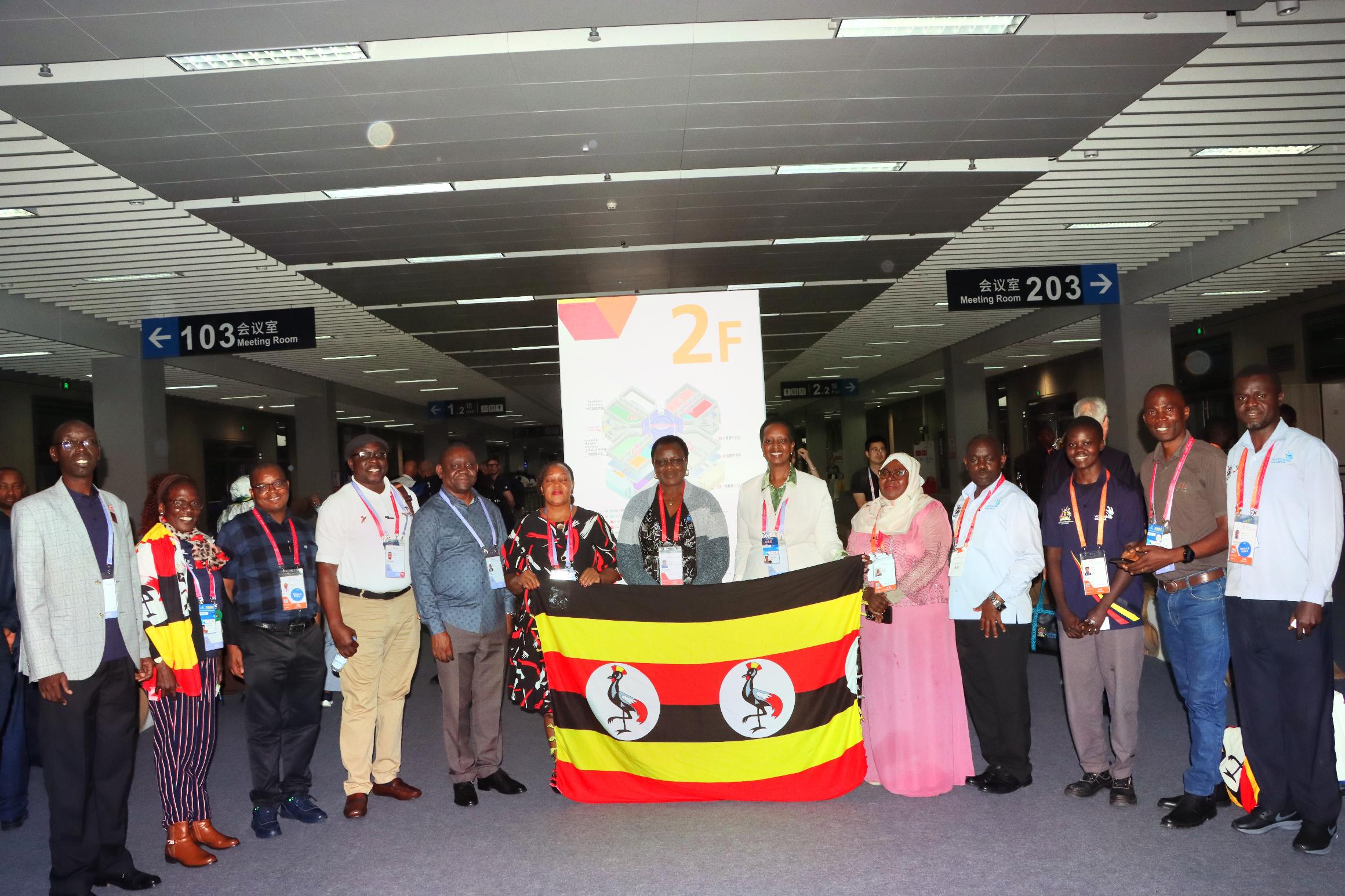
The competition, held in Shanghai, China, from September 22 to 27, 2026, brought together skilled young people from nearly seventy countries to demonstrate their practical abilities across different occupational fields.
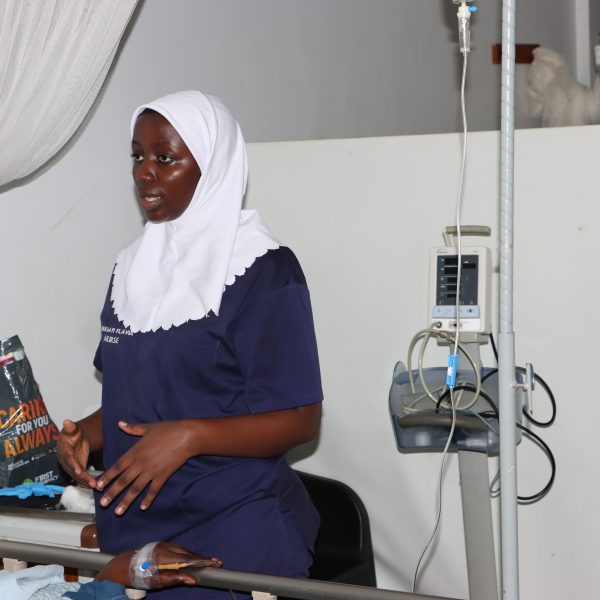
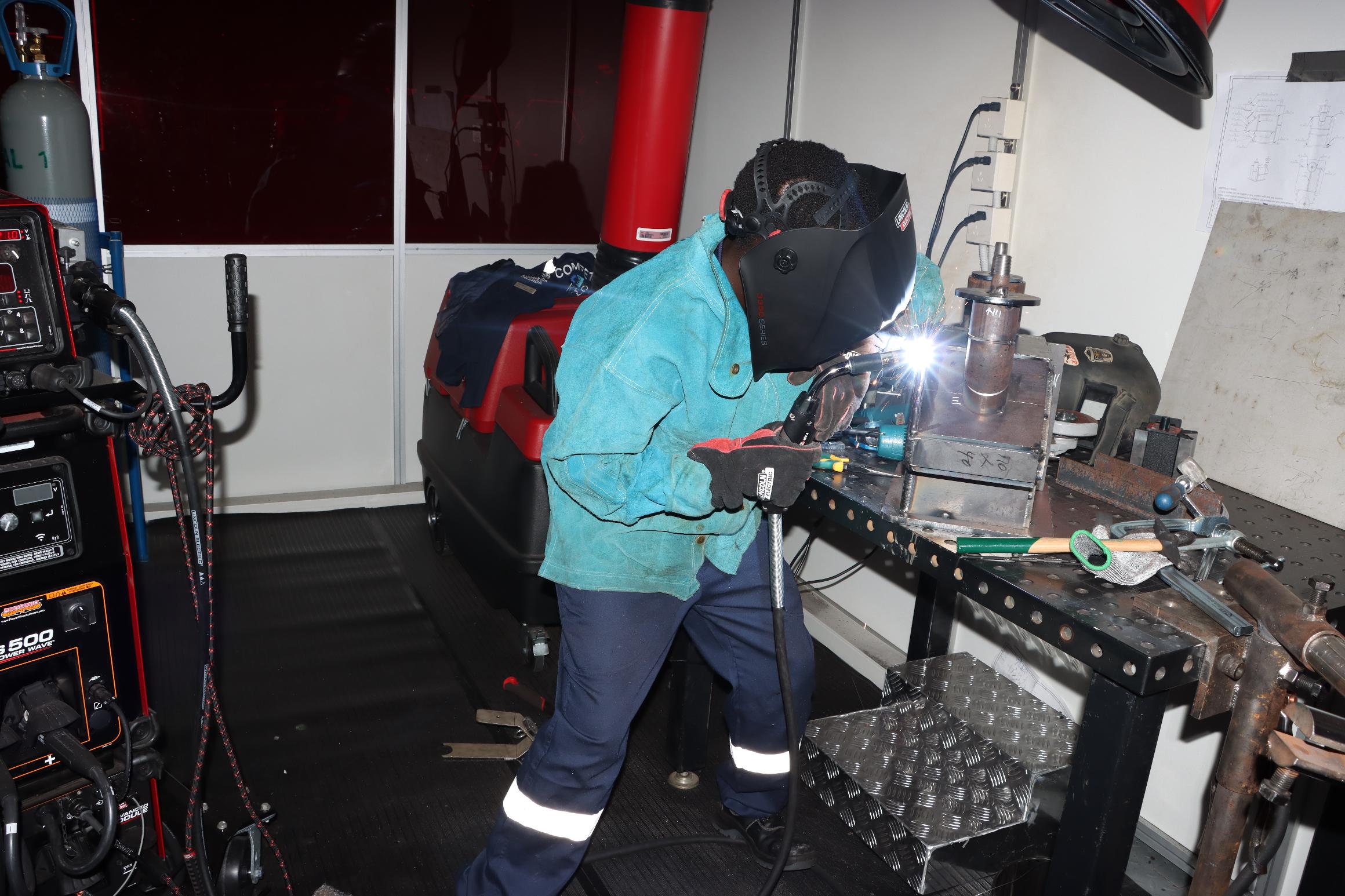
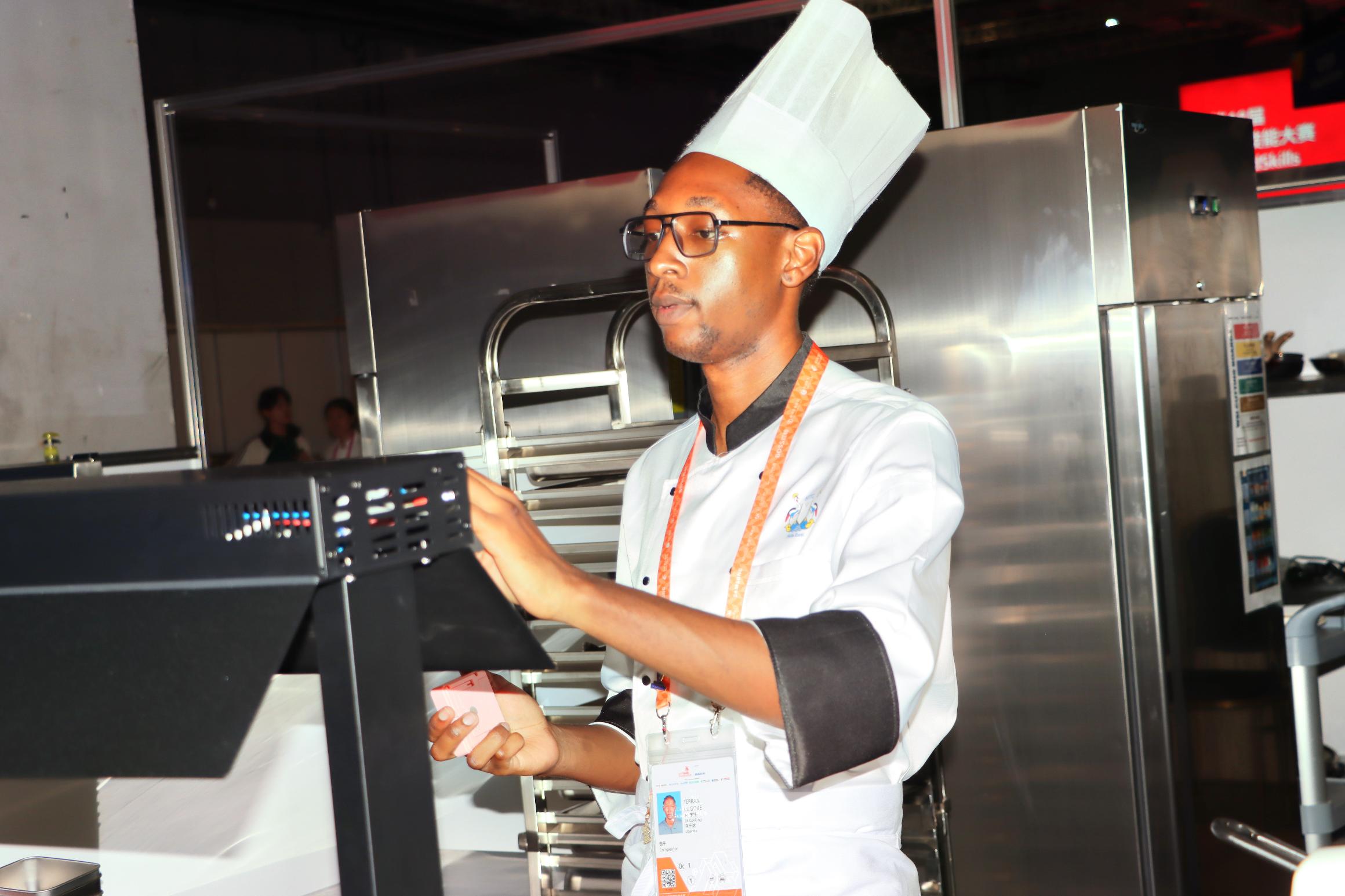
Uganda was represented by three competitors who include; Elizabeth Mirabel Mutoro (Welding) from Arua Technical Institute; Paul Terran Lugobe (Cooking) from Hotel and Tourism Training College (HTTC) Jinja; and Flavia Nakaayi (Health and Social Care) from Kabale Institute of Comprehensive Nursing.
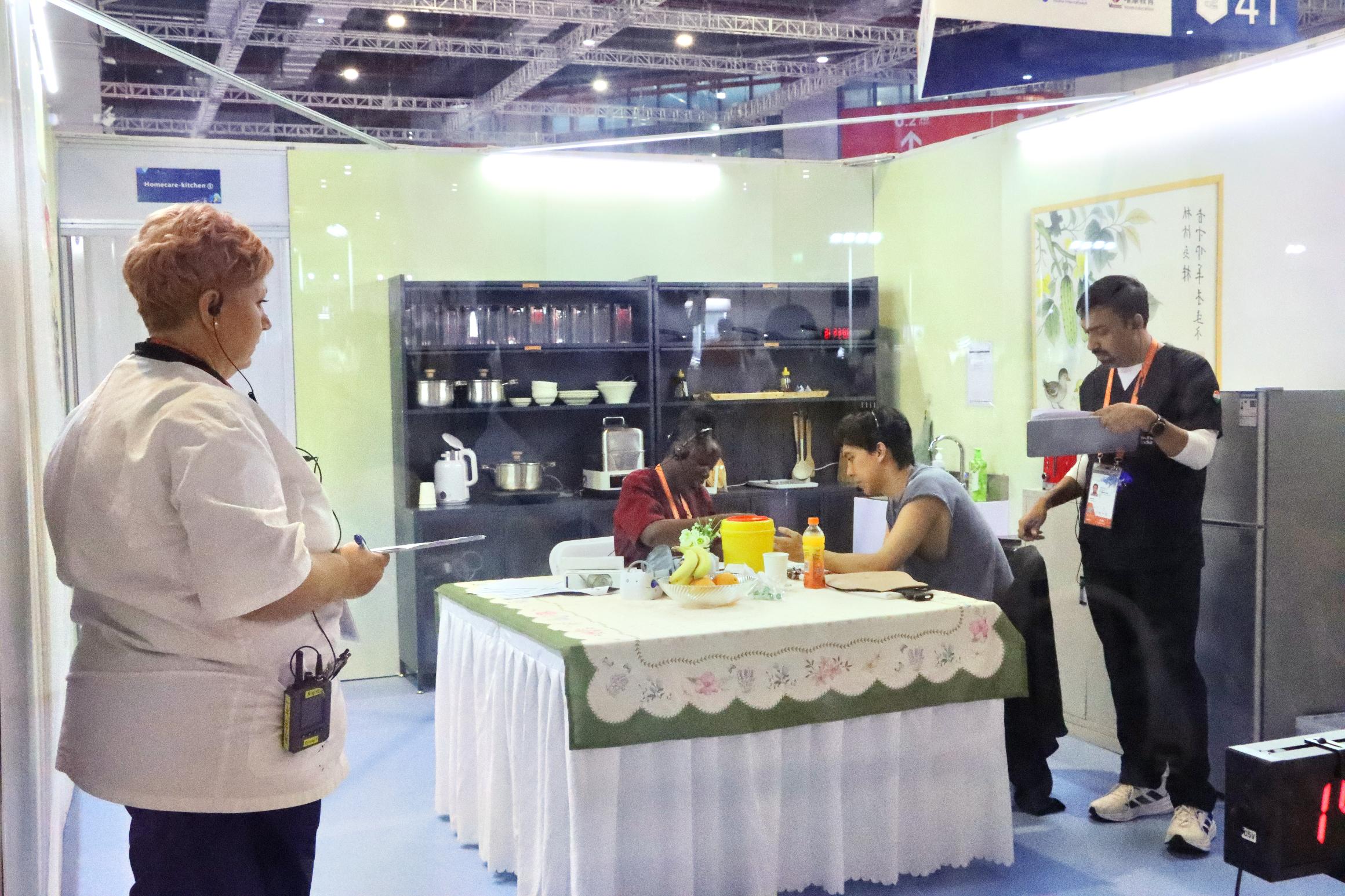
For Uganda, the significance of participating goes beyond competing for medals. It offers an opportunity to assess the country’s training approaches, practical competencies and standards with those applied internationally, and identify areas where skills training needs improvement.
Musene said the experience should help Uganda identify practices that can be adopted into its own TVET and skills training.
“Participation in the WorldSkills competitions enables the country to learn from established skills development systems and apply relevant lessons back home,” she said.
Uganda’s participation in WorldSkills Shanghai comes as the country implements the Fourth National Development Plan (NDP IV), which seeks to raise household incomes, expand employment and drive socio-economic transformation. The plan identifies agro-industrialisation, tourism, mineral-based industrial development and science, technology and innovation as key sectors to drive economic transformation.
Musene said that technical and vocational training must be aligned with these national priorities to ensure that young people acquire skills relevant to the country’s economic needs.
“Skills development must support the priorities outlined in the country’s successive five-year National Development Plans, including agro-industrialisation, tourism, mineral development, science and information and communication technology,” she said.
She explained that Uganda needs to develop skills that support value addition in agriculture, improve the tourism sector, strengthen mineral processing and expand the use of science and information and communication technology.
“The plan we have now is looking at our society to see how we improve on agriculture, going agro industrialisation, looking at improving tourism and making Uganda the best destination for tourists. Looking at the minerals that we have, how can we extract them? How can we improve on them and grow our economy, and also in our science and ICT, not forgetting the services, health, education, water, and environment, and society in general,” Musene said.
The emphasis on practical training reflects a wider challenge facing Uganda: ensuring that the skills acquired through education match the demands of employers and the changing economy.
The Ministry of Education and Sports has previously identified weaknesses in the relevance and quality of vocational training, including gaps between training programmes and labour market needs.
Experts have highlighted skills mismatches as a factor contributing to unemployment and difficulties in matching graduates to available jobs.
This makes the transfer of lessons from international skills competitions particularly important.
Musene pointed to the country’s youthful population as a reason to invest more attention in skills development.
“We are the youngest population globally. Our median age is about 15 years, and less than 70 percent of our population is below age 30. So, with that young population, when we have somewhere where we can appreciate how skilling is done, it is an opportunity for Uganda,” she said.
The size of the young population presents a significant opportunity. Equipping young people with relevant skills can help employers find qualified workers, improve productivity and enable graduates to establish their own businesses.
Uganda’s Vision 2040 seeks to transform the country from a predominantly peasant society into a modern and prosperous economy. Musene said the country pursues this ambition through successive five-year National Development Plans, making skills development an important part of its long-term transformation agenda.