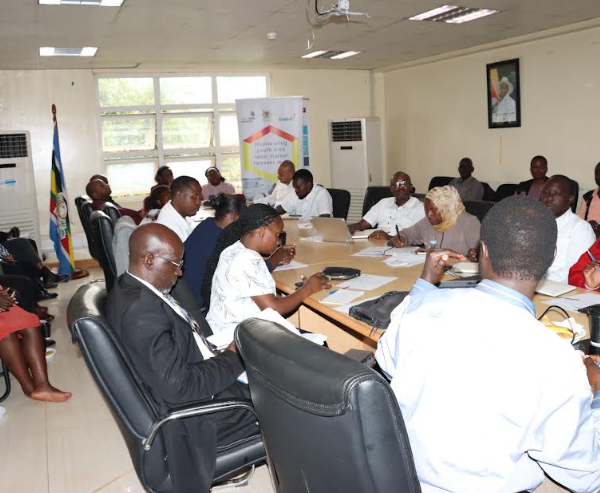

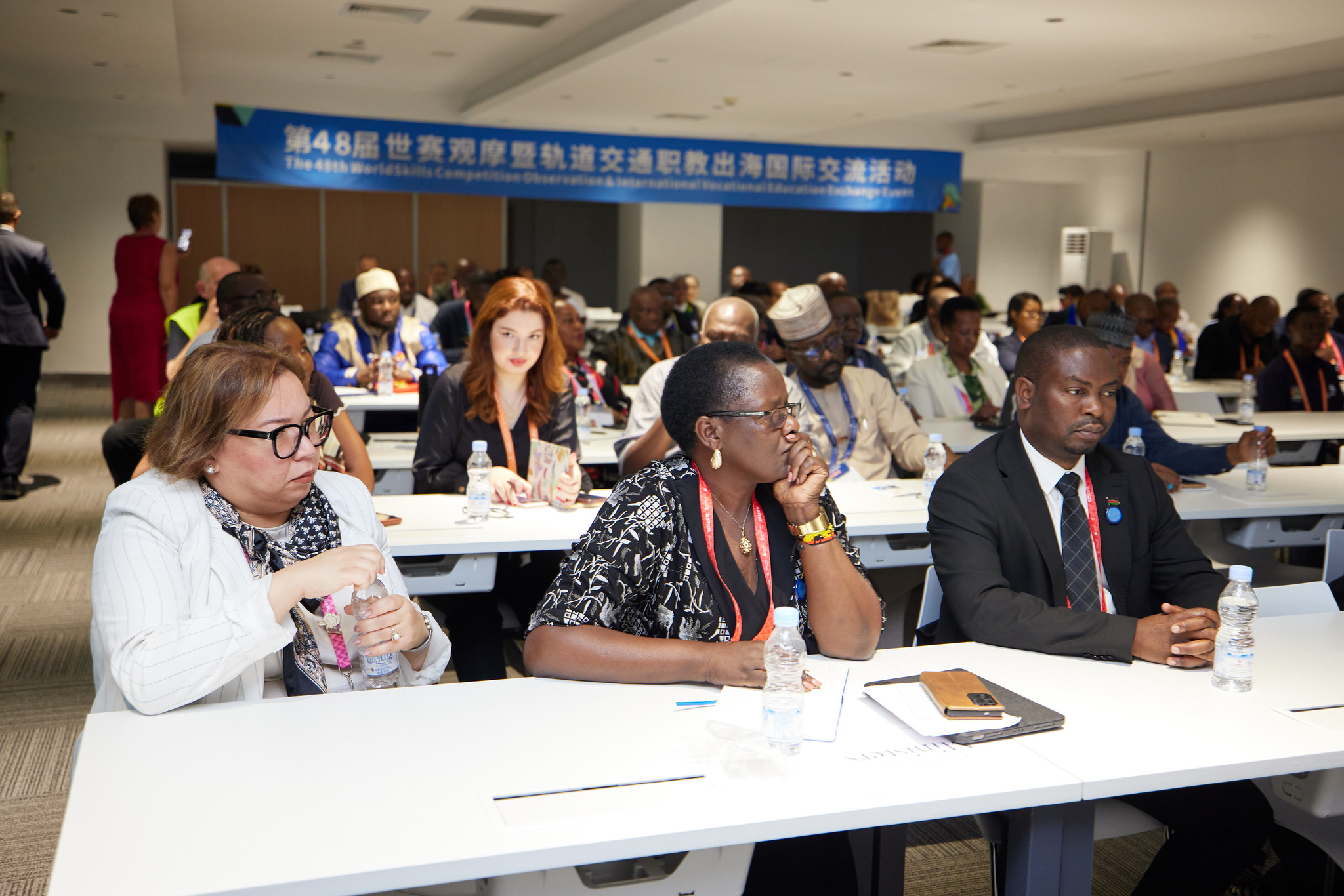
Uganda has joined other African member countries of WorldSkills to chart a common path towards stronger Technical and Vocational Education and Training (TVET) systems, higher training standards and a workforce equipped for a fast-changing world of work.
The discussions took place at the WorldSkills Africa Meeting, held on the sidelines of WorldSkills Shanghai 2026 on September 24 in Shanghai, China. The meeting brought African member countries together to compare experiences, share practical solutions and agree on priorities for the continent’s skills agenda.
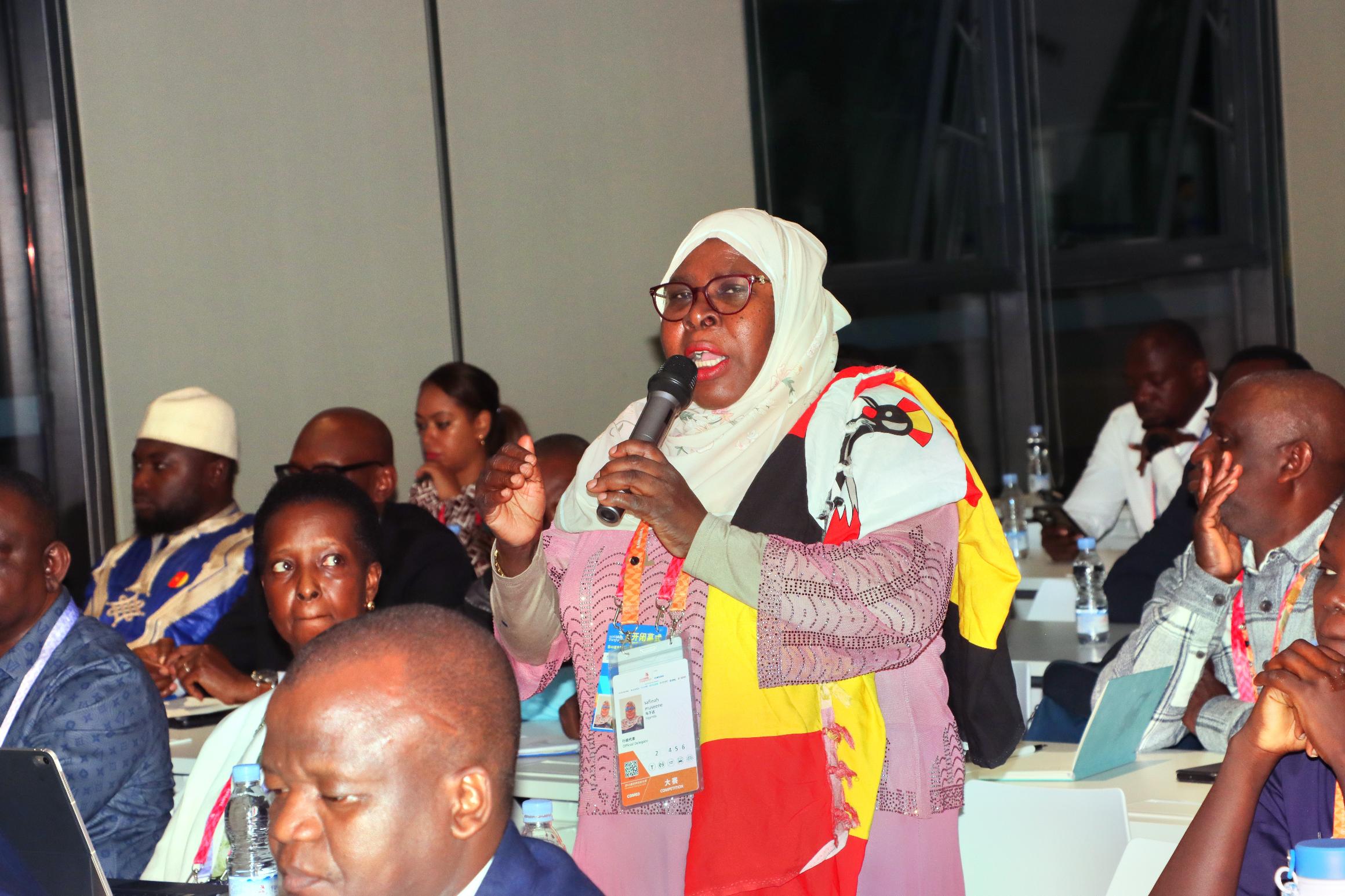
For WorldSkills Uganda, the meeting was an opportunity to stand alongside its peers and contribute to a conversation that matters for the country’s young people.
Delegates focused on strengthening TVET systems, improving training standards and ensuring that learners graduate with skills employers actually need.
Uganda’s Official Delegate, Dr. Safinah Kisu Museene who doubles as the Commissioner for Health Education and Training in the country’s Ministry of Education, said that Uganda has already embarked on building a stronger TVET system with the enactment of the TVET Policy and the TVET Act, and the appointment of TVET Council to regulate technical and vocational education and training in the country.
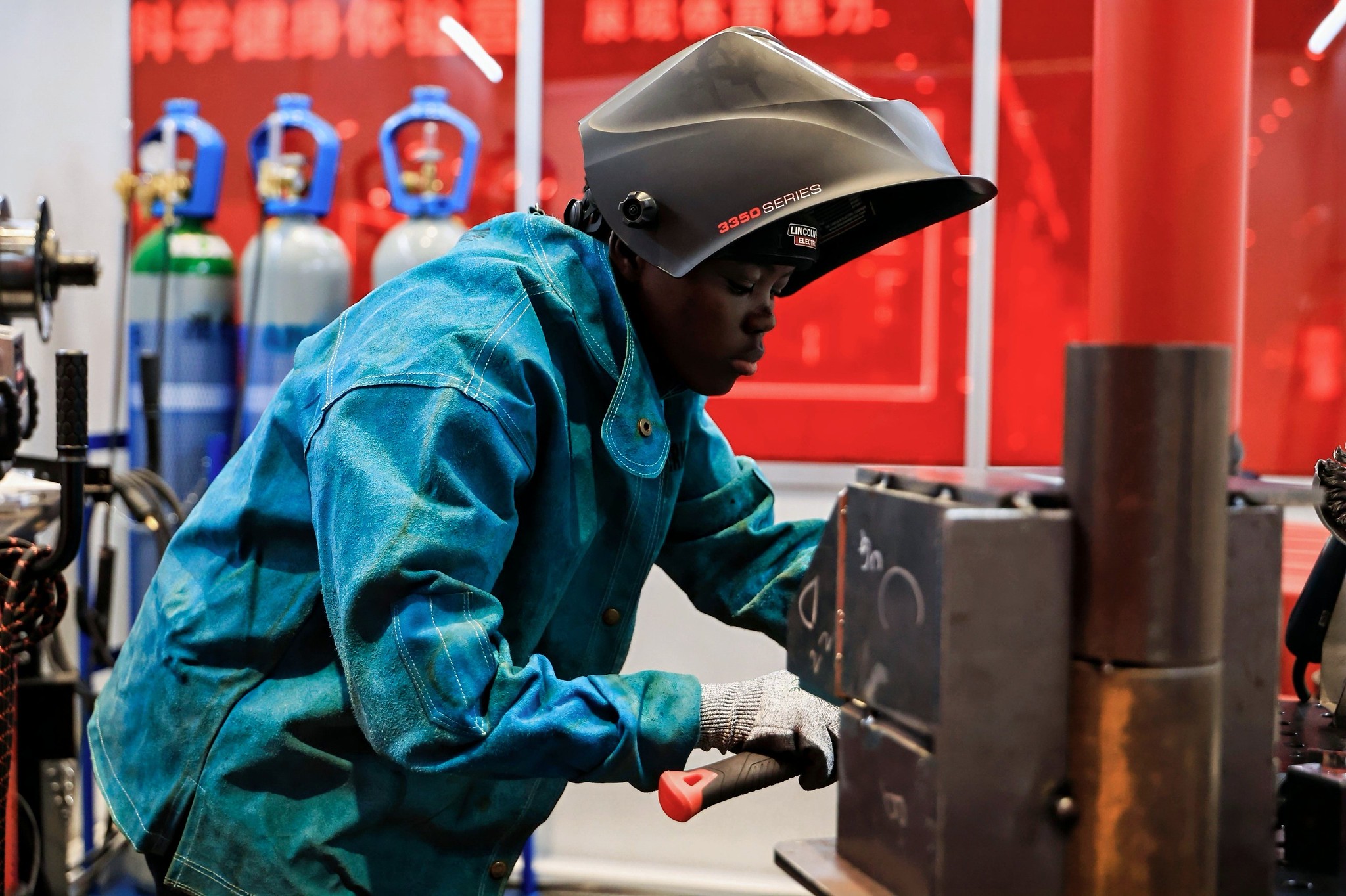
Building a skilled, productive and competitive African workforce requires sustained investment in TVET. That means stronger training institutions with modern equipment, and continuous upskilling of TVET trainers so that what is taught in the classroom keeps pace with industry. It also means closer collaboration among countries, so that good practice in one market can be adapted and applied in another.
WorldSkills Shanghai 2026 brought together skilled young people from across the world to compete in a wide range of trades against international occupational standards.

For African countries, the competition floor and the conversations around it offered a reference point for the standards the continent’s training systems should aim for.
By investing in quality skills training, Africa can build a workforce capable of driving innovation, productivity and economic transformation, and young people who can compete confidently, whether at home, across the region or on the global stage.